‘Borders – Human Constructs, "Presence" and the Anthropocene’
Sunday Seið 8th March 2026

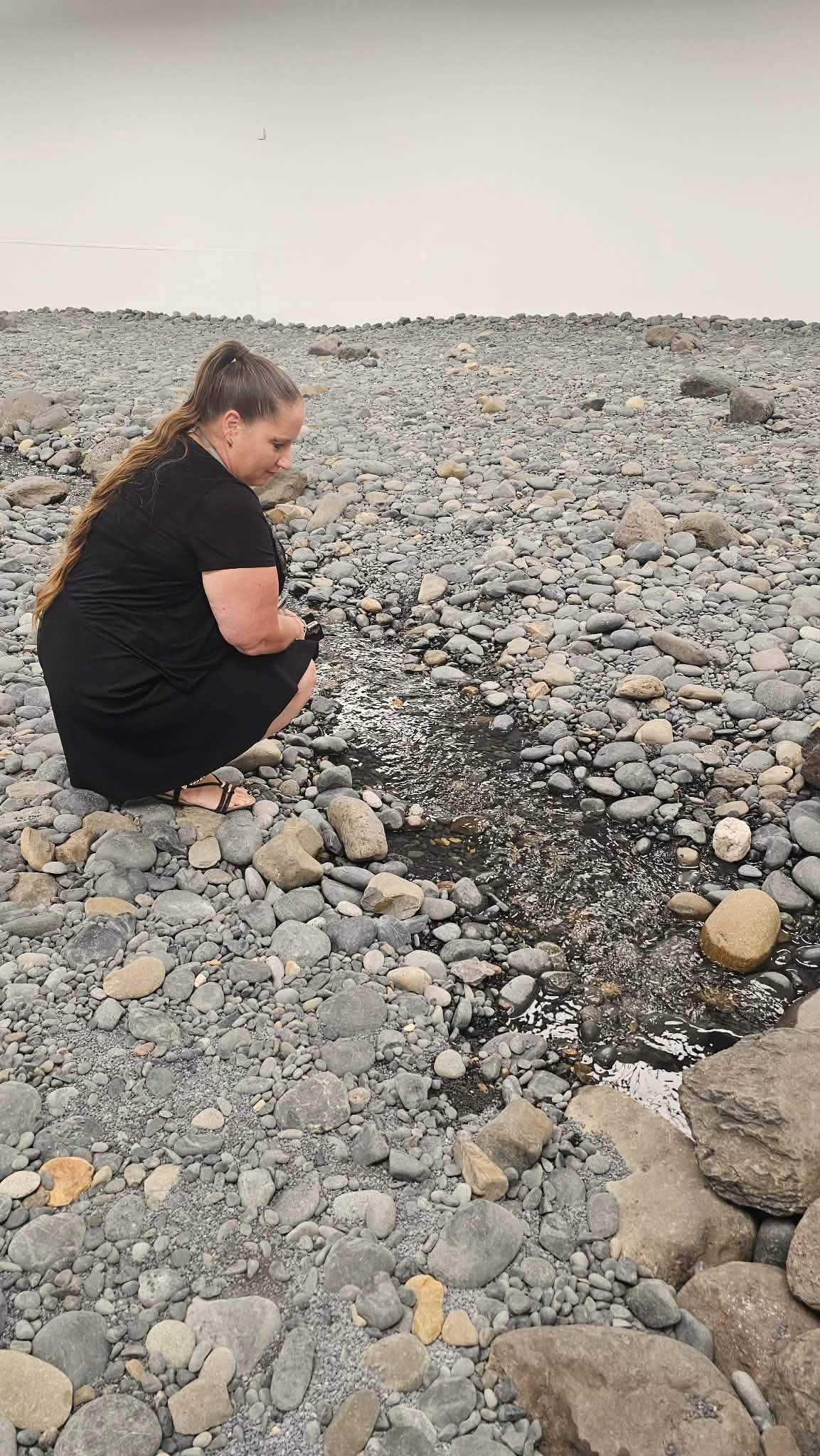
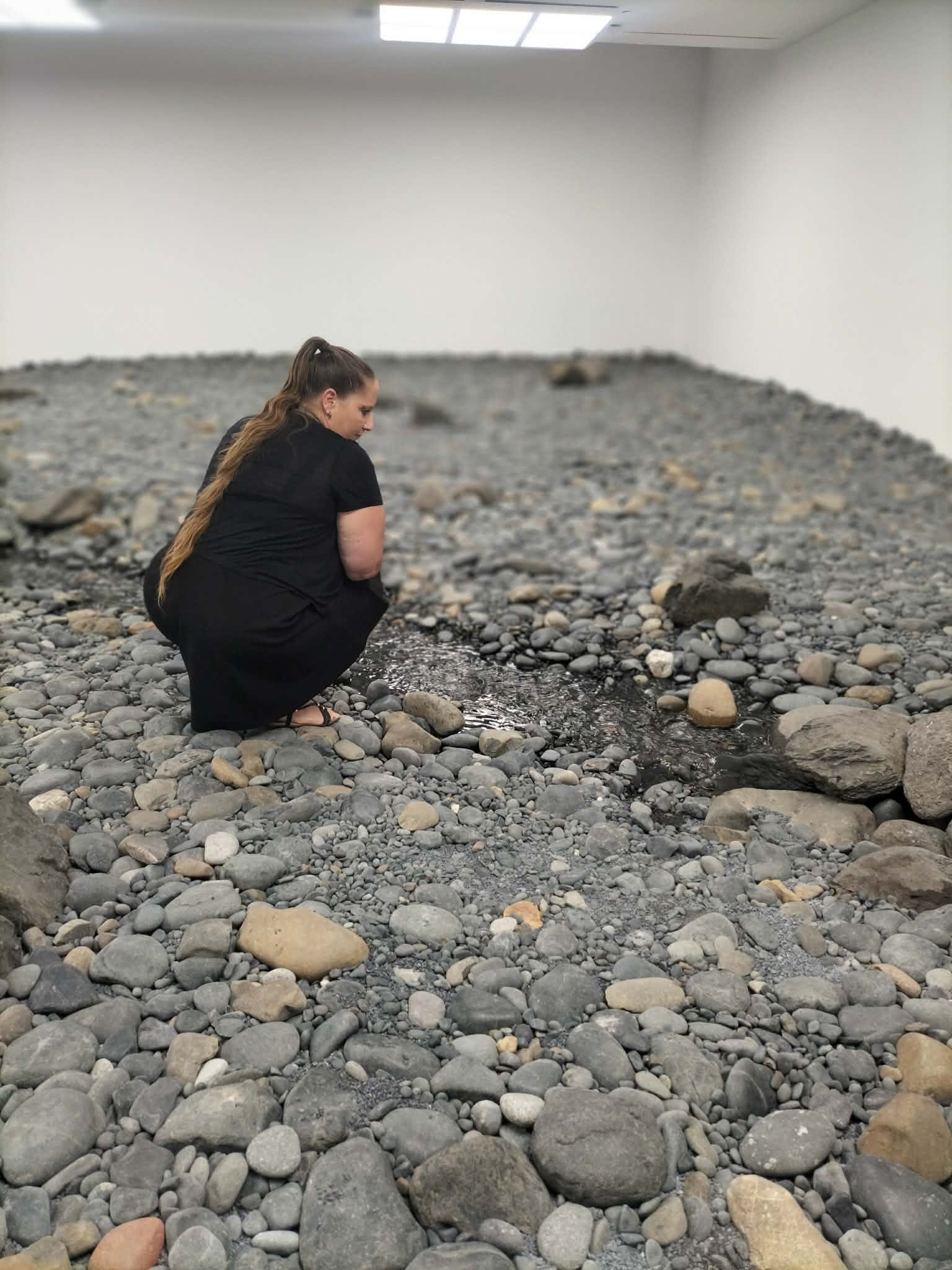
I visited Olafur Eliasson’s exhibition, “Presence”, at the Gallery of Modern Art here in Brisbane, Queensland, Australia on Friday 6th March. I shared a brief recount of my experience, and had planned this week’s post to be on Borderlands, however, I wanted to delve deeper into this concept of borders as human constructs. Further, to explore the power of Olafur’s exhibition on conscious presence, and the effects humans have had on the world through the Anthropocene.
Here is my original reflection:
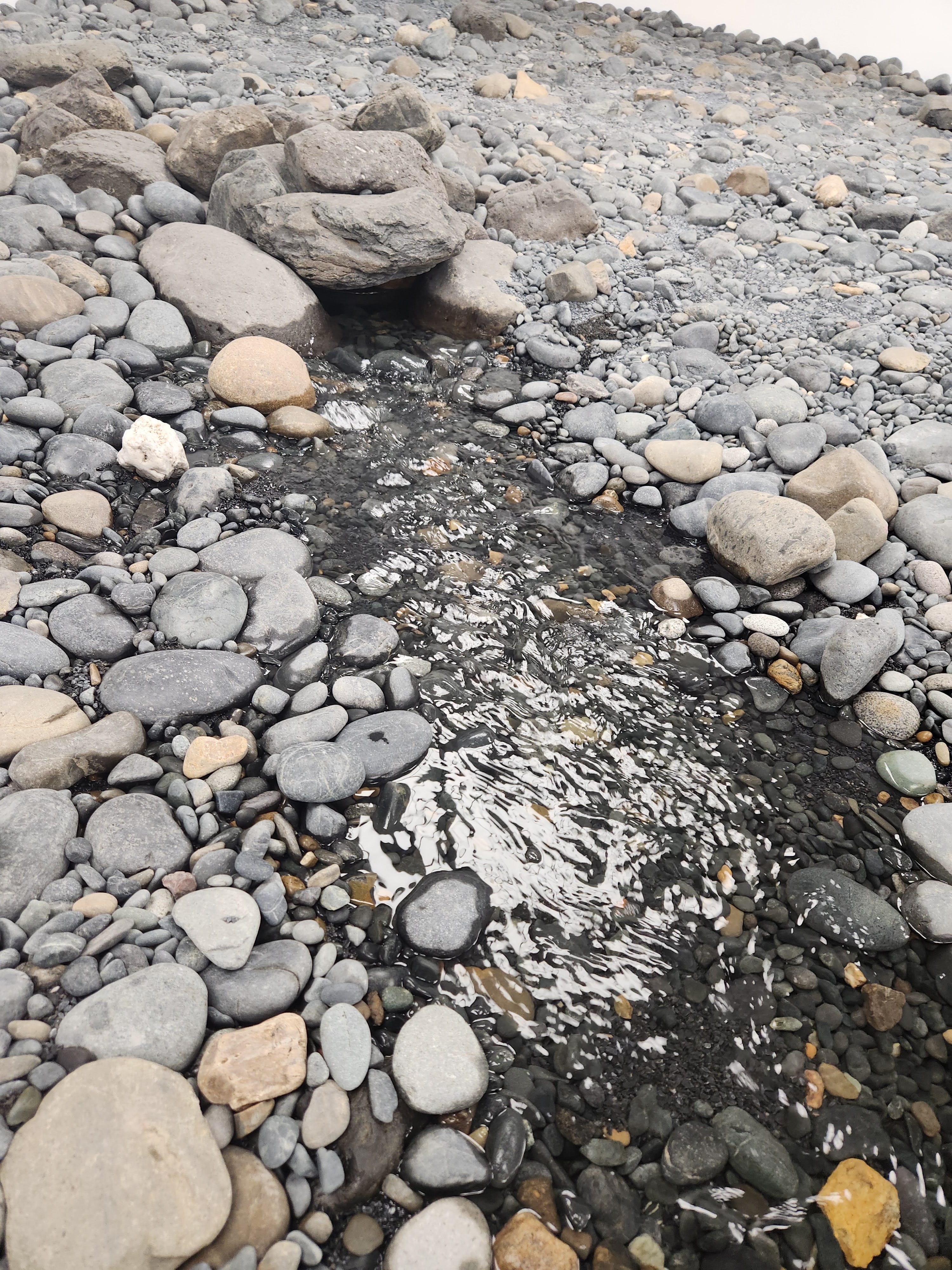
His installation, ‘Riverbed’ (2014), had a profound impact on me.
As we approached, we were given lanyards with rules. Things like ‘don’t touch the water’, ‘don’t move the rocks’ and ‘walk with caution’. It reminded me of the constant rules that are placed upon our experience of life, often as a result of behaviours that have caused pain, destruction or death.
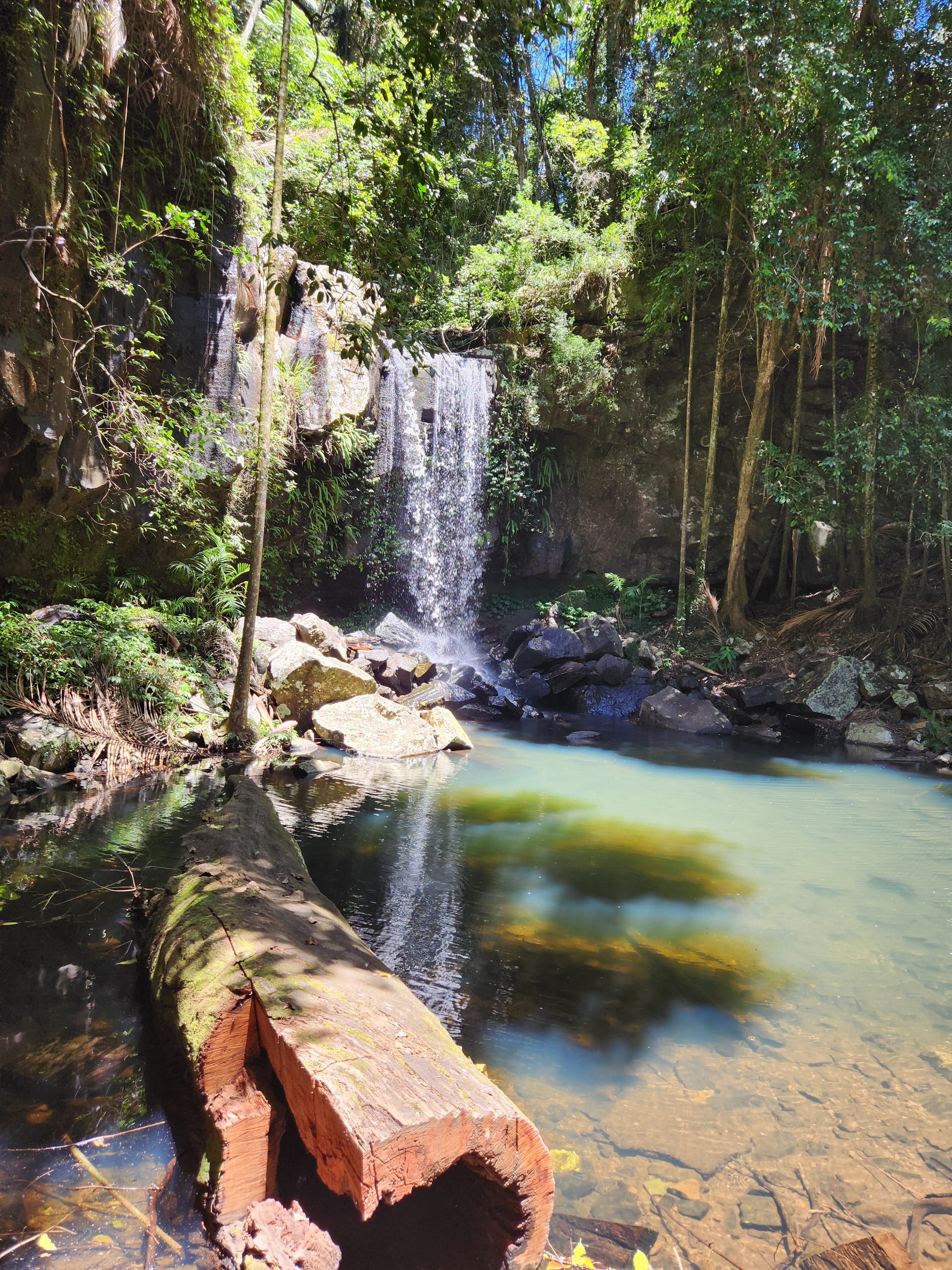
This was comparable to the waterfall and river where I live. A fence erected to keep people out of the space to protect the platypus and glowworm populations. Then, another fence. Then, wire and red tape. Now, cameras monitor the area with fines for trespassing.
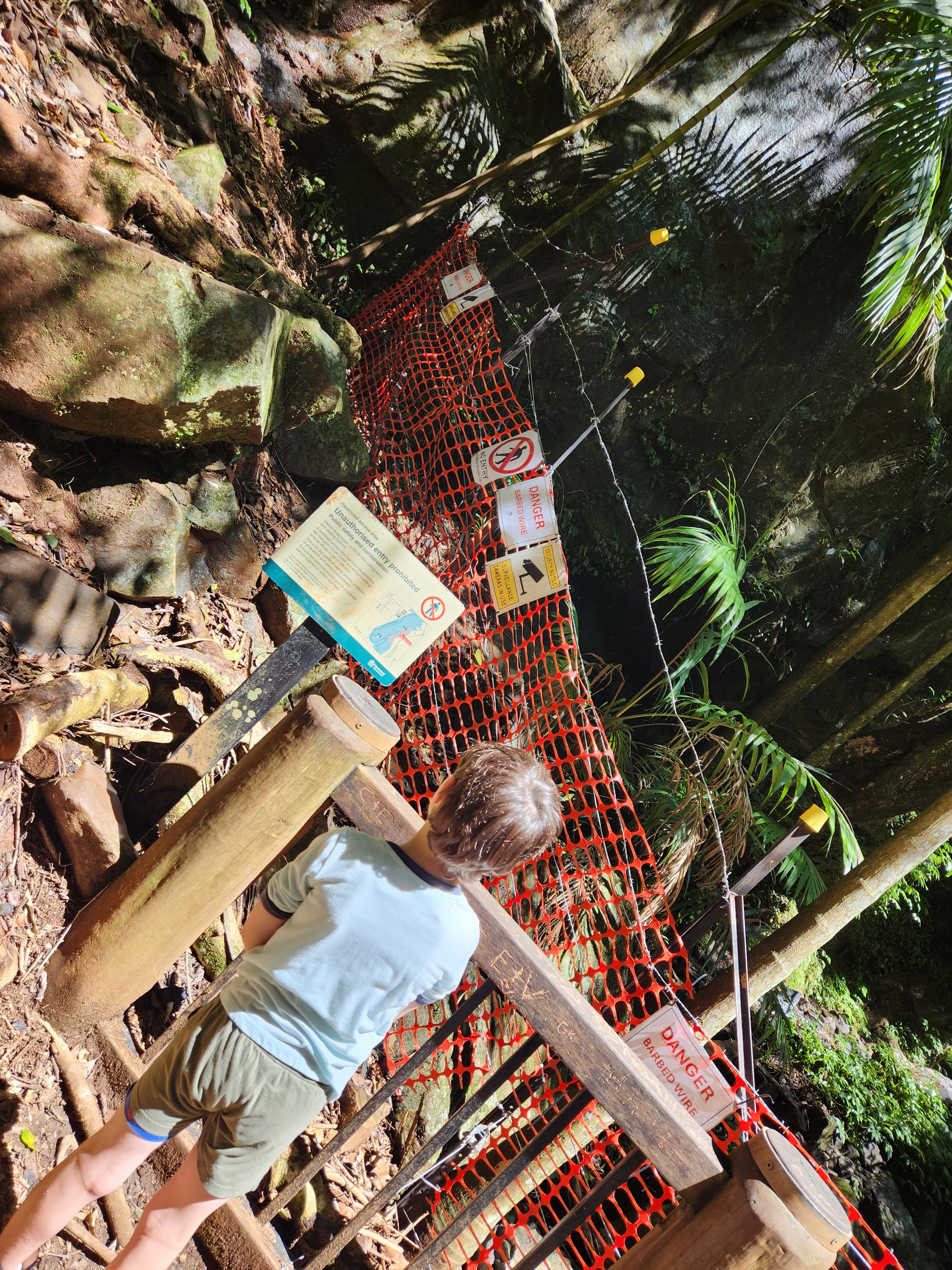
More and more, we are being denied access to nature because we have forgotten how to respect her. Fences erected where common sense should be. Signs communicating what we should know.
Not being able to hold the stones or play in the water felt unnatural, more so than the glaring white walls and bright lights that contained the riverbed.
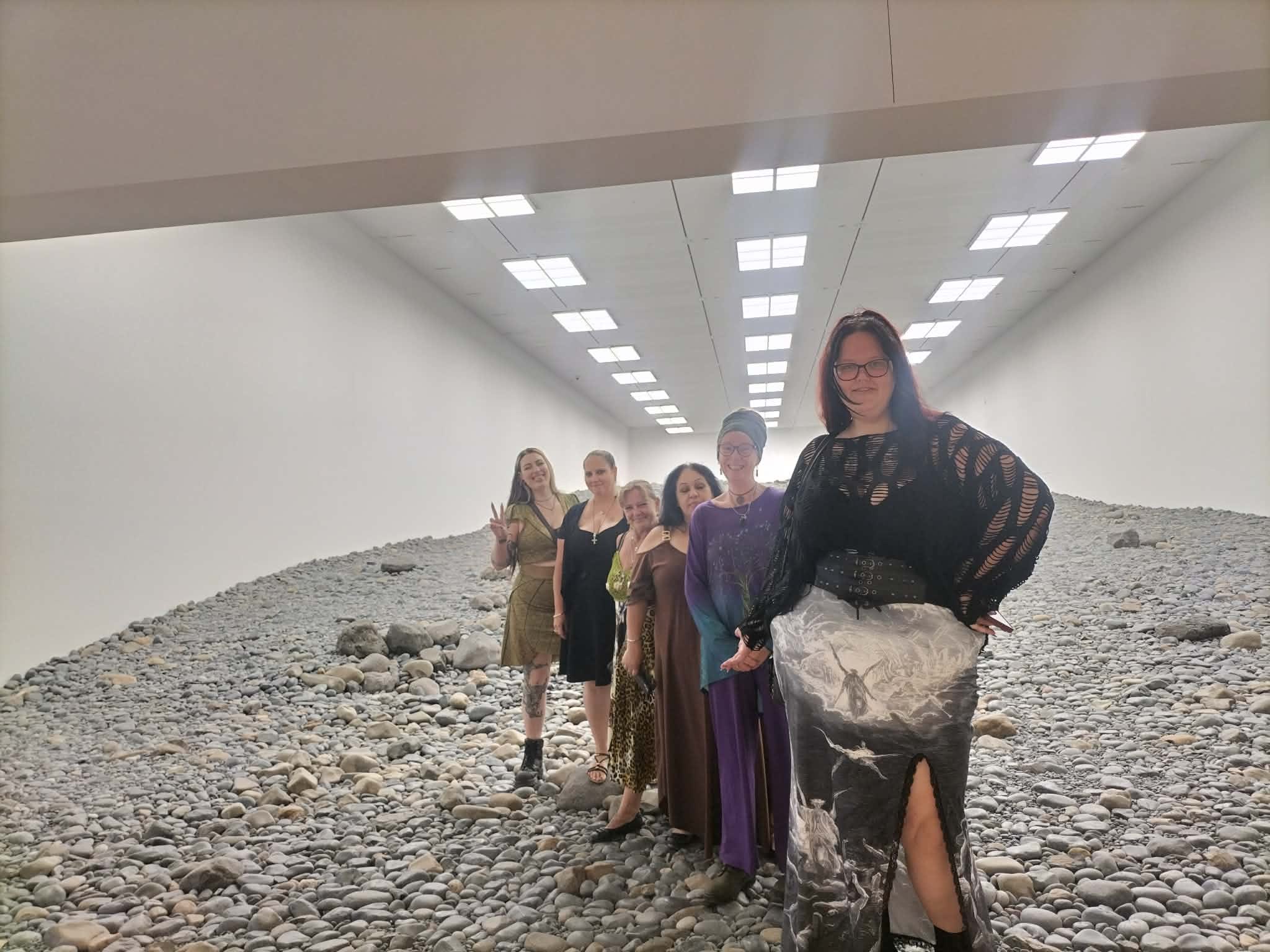
“This is the future.” It gripped me with a sense of panic. In a split moment, I could see the riverbeds of the world preserved in museums, forests growing and carefully maintained in warehouses, as the world outside lay to an industrial wasteland.
“There is still time.” I was pulled back, and sat on a rock for a moment to regain composure. Is there still time? Or have we already done too much? Lost too much? Killed too much?
Olafur’s Icelandic glacier comparative photographs show the changes clearly. A room filled with photo after photo of melted glacier, transformed landscape, with a table in the centre of the room crowded with ‘Circular City’ architectural plans. As we strive to improve our technologies, what is the cost?
I am grateful for this experience, and will continue to walk in conscious right relation with our natural world. There is more yet to do, more yet to learn, more yet to love.”
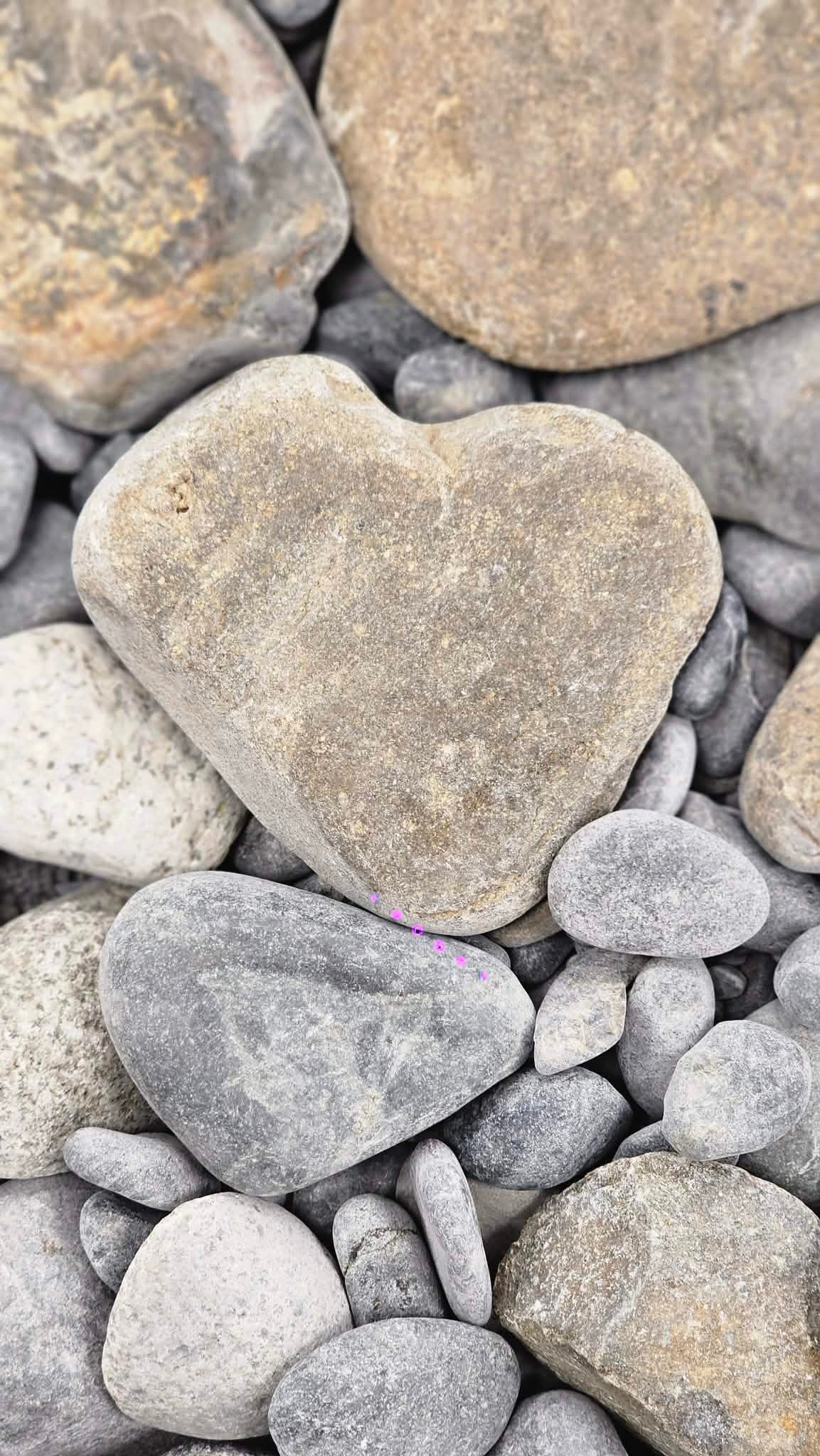
This experience has continued to impact me. I have had vivid dreams about the impacts of humans on the world, perhaps fueled by the unfolding conflict with Iran, and perhaps by my own self-reflection on the state of the world. Two days later, I am confronting these boundaries, unpicking them and unpacking them in fascinating ways.
I have reflected on the Anthropocene before, a geological epoch framed by the significant destruction humans have brought to the Earth. “Riverbed” (2014, more here: https://olafureliasson.net/artwork/riverbed-2014/) brought this stark realisation home: perhaps in the not-too-distant future, the only ‘natural experience’ we will have access to will be found in carefully curated and masterly managed indoor ‘salvage’ spaces. Riverbeds in museums, forests in warehouses, animals in zoos, plants in domes. A dystopian future becoming more and more real with each passing year. Where the borders shift from external to internal, from natural to constructed, from ‘wilderness’ to ‘wasteland’ and ‘conservation’ to ‘containment’.
The impacts of the Anthropocene were so visually captured by Olafur through his piece “The glacier melt series” (1999 - 2019, more here: https://olafureliasson.net/artwork/the-glacier-melt-series-1999-2019-2019/). Props to the curator who placed them, not as a montage on two walls, but as a journey around the room, completing surrounding the viewer with evidence of shrinking ice, a sky view of the vast borders of the glacier retreating over time. In his words: “Every glacier lost reflects our inaction. Every glacier saved will be a testament to the action taken in the face of the climate emergency. One day, instead of mourning the loss of more glaciers, we must be able to celebrate their survival” (Olafur Eliasson, glaciermelt.is - where you can see a visual representation of each glacier melt, with locations on a map of Iceland).
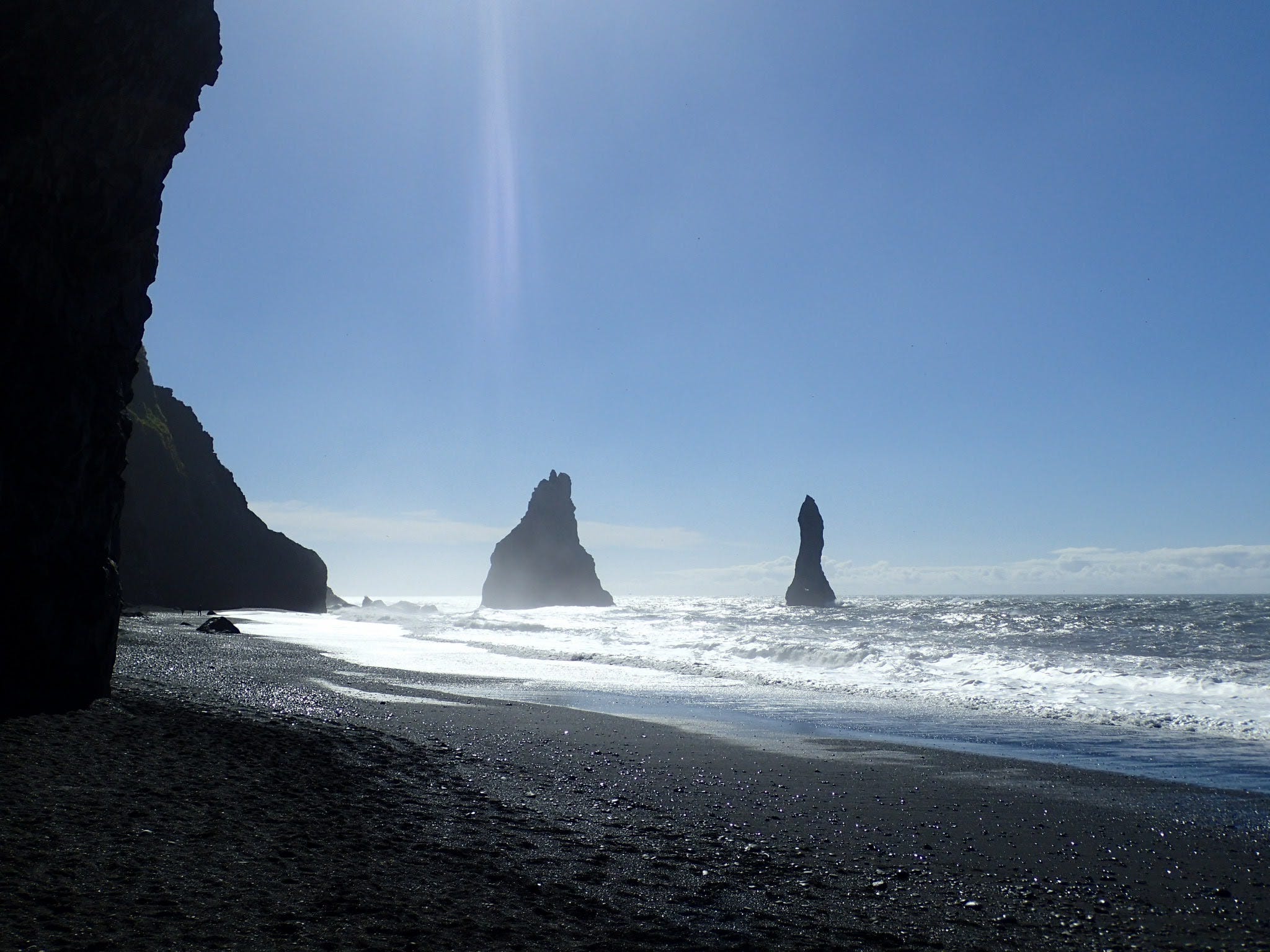
It reminded me of the destruction of Reynisfjara which my friends and I discussed during out trip home. The black sand beach that bordered the South of Iceland, now swallowed by the power of the North Atlantic Ocean. This border was always dangerous, prone to sneaker waves which have taken many lives of visitors who dared venture too close. The basalt column stacks, alluring and fascinating, now form a new border. Signs, fences and warning lights alert visitors to the dangers. More human constructed boundaries, yet the borders are created and recreated by nature herself.
“Model for your circular city” (2024, more here: https://olafureliasson.net/artwork/model-for-your-circular-city-2024/) sat in the centre of the room, a visage of future-planning with structural concepts, plans, half-builds and geometric experiments covering the round table. The human mind so pre-occupied with future planning, improvements, development – whilst the glaciers melt around us. It was another moment of clarity, of presence: “What are we doing?!”.
I will continue to unravel as this experience unfolds, as I bring myself back to presence with a view to onward action. The voice is still ringing in my ears: “There is still time.” I so hope that is true.